Night Guards for Teeth Grinding in San Mateo, CA: Crowns & Implants
· Carlmont Dental Care
Grinding can wear enamel and may put crowns and implants at risk. See what recent research says about custom night guards, what it can't yet prove, and what to expect.
A custom-fitted night guard is a reversible, non-drug way to help protect natural teeth from grinding, and it may matter even more if you have crowns, veneers, or dental implants. One small recent trial found that a custom guard and botulinum toxin (Botox) injections gave similar pain relief for jaw-muscle pain; larger studies are needed. Some studies also suggest higher rates of implant and implant-crown problems in people who grind. A guard doesn't stop the grinding itself, but it can give your teeth and dental work a cushion against the force.
What does teeth grinding actually do to your mouth?
Bruxism is the habit of clenching or grinding the teeth, and most people who do it at night have no idea. Stress is often linked to grinding, but the evidence is mixed and the exact cause isn't fully understood. It often involves several factors, including sleep habits and how well a person unwinds.
Over time, the forces can flatten and chip enamel, make teeth sensitive to hot and cold, and leave the jaw muscles sore, especially in the morning. Headaches, earaches, and clicking or tired jaw joints are also common. Restorations take a beating too: porcelain can chip, and crowns and veneers carry the same loads as natural teeth without the ability to repair themselves.
What does new research say about night guards versus injections?
A small randomized trial published in late 2024 compared a custom occlusal splint (the clinical name for a night guard) with botulinum toxin injections in adults who had probable sleep bruxism and jaw-muscle pain. Both groups reported less pain over several months, and the difference in pain relief between the two treatments was not meaningful. The splint showed slight advantages in comfortable jaw opening and jaw function, while some people in the injection group noticed mild discomfort when chewing.
Keep this in perspective. It was a single, fairly small trial, and it measured pain and jaw function, not whether either option prevents tooth wear or restoration damage over many years. Also, botulinum toxin for bruxism is typically used off-label, so it's a decision to discuss with a qualified clinician. A custom guard is generally a reversible, non-drug option, though it needs proper fitting and monitoring.
Why do crowns and implants need extra protection?
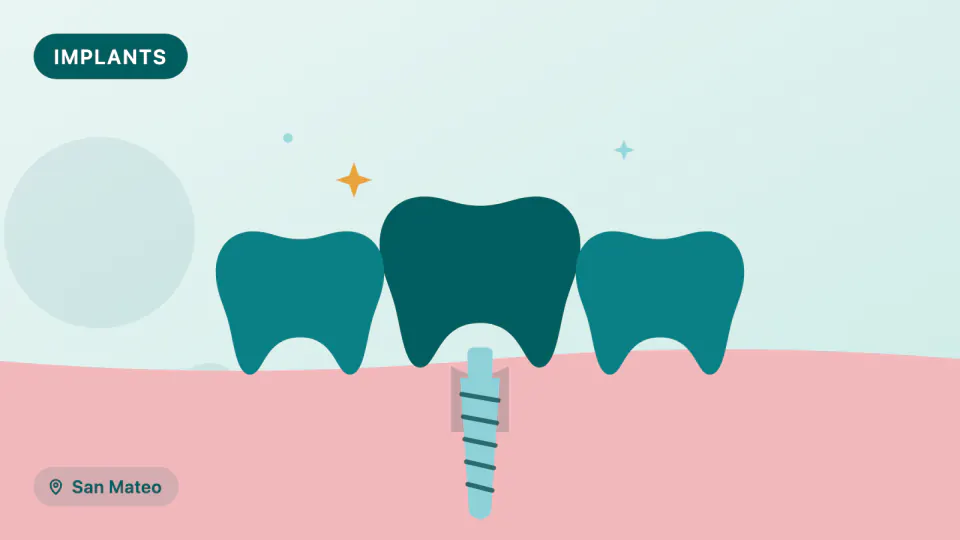
Several analyses have pooled the results of earlier studies on implants in people who grind. Research links bruxism to more implant and restoration complications, including loose screws and chipped or fractured ceramic surfaces on the visible part of the implant.
These findings deserve some caution. Most of the underlying studies looked backward at patient records, and they didn't define or measure bruxism in the same way. The estimates also varied widely from study to study. Laboratory studies suggest a guard may reduce stress on implants and screws, but there are few clinical trials showing that wearing one prevents implant failures. So the honest summary is this: grinding is a recognized risk factor, a guard is one precaution dentists often consider, and the data are still maturing. Many people with bruxism go on to have successful implants, particularly when the restoration is designed and monitored with grinding in mind.
What is it like to get a custom night guard?
A dentist will typically start by examining your teeth for wear patterns, checking the jaw muscles and joints, and asking about morning soreness or a partner hearing grinding. Because grinding can overlap with other conditions, a dentist should also screen for things like sleep apnea or temporomandibular (TMJ) disorders before choosing a device. Impressions or a digital scan of your teeth are then used to make a guard that fits precisely. Over-the-counter boil-and-bite guards can be bulky and can shift, though fit and comfort vary by product. A custom fit may be more comfortable and easier to wear every night.
- Adjustment visits: a short follow-up helps make sure the guard feels balanced. A poorly fitted guard can strain the jaw or change how your teeth meet, so tell your dentist about any new soreness or bite changes.
- Regular checks: guards can wear down or lose effectiveness, and some people find soreness returns if they stop wearing one, so periodic monitoring is wise.
- Daily care: clean it daily and keep it in a ventilated case.
- Supporting habits: managing stress, limiting gum and very chewy foods, and relaxing the jaw during the day may all help.
The investment varies with the type of guard and your individual needs, so the clearest approach is a written estimate after an exam. We accept most PPO plans, offer in-house membership plans starting at $30 per month, and offer 0% APR financing options through CareCredit and Proceed Finance.
Is it worth the drive from San Mateo?
Our Belmont office is close to San Mateo neighborhoods such as Hillsdale and Baywood, and patients who want a thorough evaluation of jaw pain or worn teeth before deciding on a guard are welcome to visit. If you'd like to learn more about how we care for patients in the area, our page on the best dentist in San Mateo, CA is a good place to start.
Common questions about night guards
Q: Will a night guard stop me from grinding?Generally no. A guard protects your teeth, restorations, and jaw from the effects of grinding rather than eliminating the habit. Some people do notice less muscle soreness once they wear one.
Q: Do I need one if I have dental implants or crowns?If you grind or clench, dentists often discuss one as an option. Research links bruxism to more mechanical problems with implant restorations, though more long-term studies are still needed to confirm how much a guard helps.
Q: Is a night guard better than Botox for jaw pain?In one small recent trial, both reduced pain similarly, with the splint slightly ahead for jaw opening and function. Botox for bruxism is typically off-label. The right choice depends on your symptoms and goals, and it's worth discussing with a dentist or other qualified clinician.
Q: How do I know if I grind at night?Common clues include morning jaw soreness, headaches, sensitive or flattened teeth, and a partner who hears grinding. An exam can confirm the wear pattern.
If you grind your teeth or have recent dental work you want to protect, we'd be glad to help. Call our Belmont office at (650) 591-1984 or visit carlmontdentalcare.com to schedule a consultation. We serve patients in San Mateo and nearby cities.
This article is general information, not a diagnosis or personalized advice; talk with a dentist about your situation.
From our patients
★★★★★“I was referred by my friend and this is my third time here for the cleaning. This time, my dental hygienist is Lu Lin. She is very professional and full of patience, answered all of my questions. I always grind teeth at night and am not sure if this will cause the issue in the future. They provided suggestions and make the plan for me.”